Is Wool an Enemy of Batman?

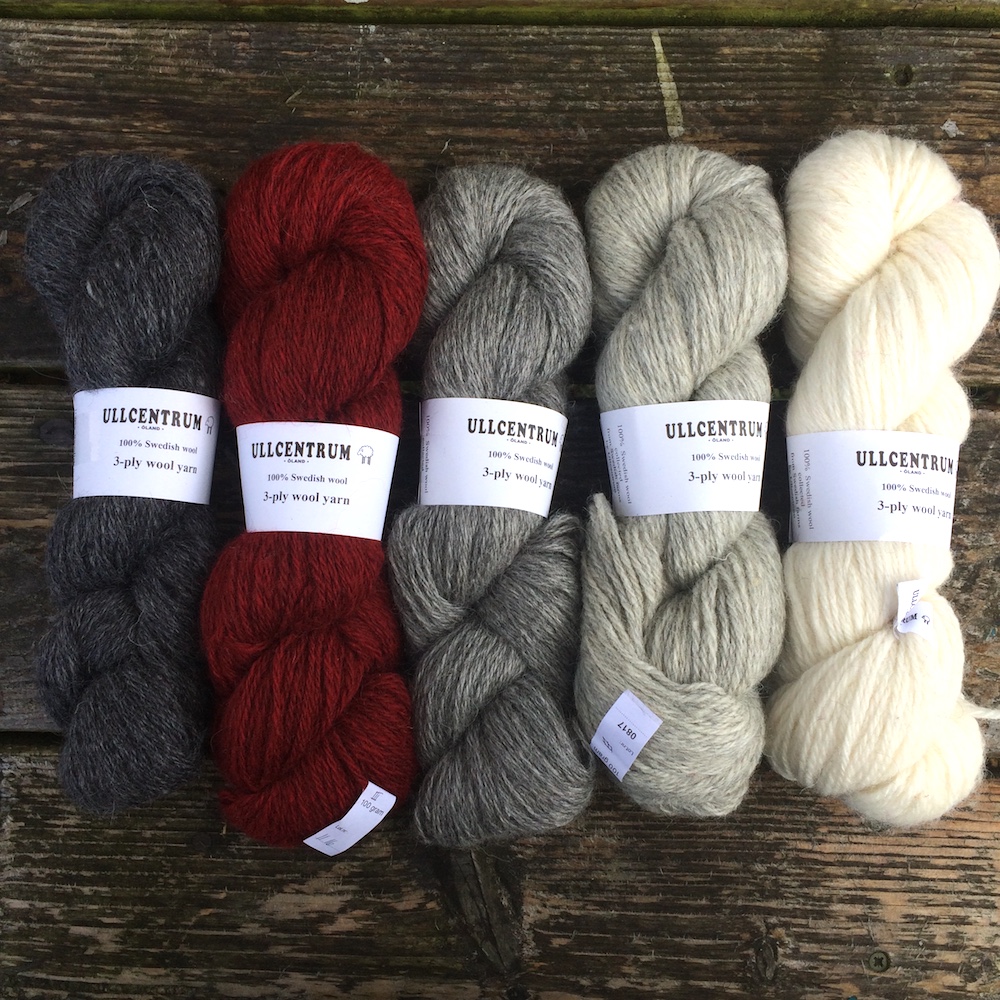
As the days are getting cold and snuggly down here, in London, it’s the time for me to put on my favourite sweater again – a red woollen jumper that belonged to my father when he was my age, and I stole from him going to university two years back. There is something truly magical about it – maybe it is the amazing memories I have made wearing it on the beach by the fire, in the country house, hmm… on parties. Maybe it is the smell of the gorgeous fabric, soaked with all the different body smells (all my friends like wearing it), or the fact that it’s nearly 40 years old. Whatever it is, my love for this particular garment nurtures my appreciation for any woollen garments that bear all these little signs of the time passing by. But it seems to me that it is no longer just the heritage that concerns humankind as consumers – it is also the legacy we leave behind.
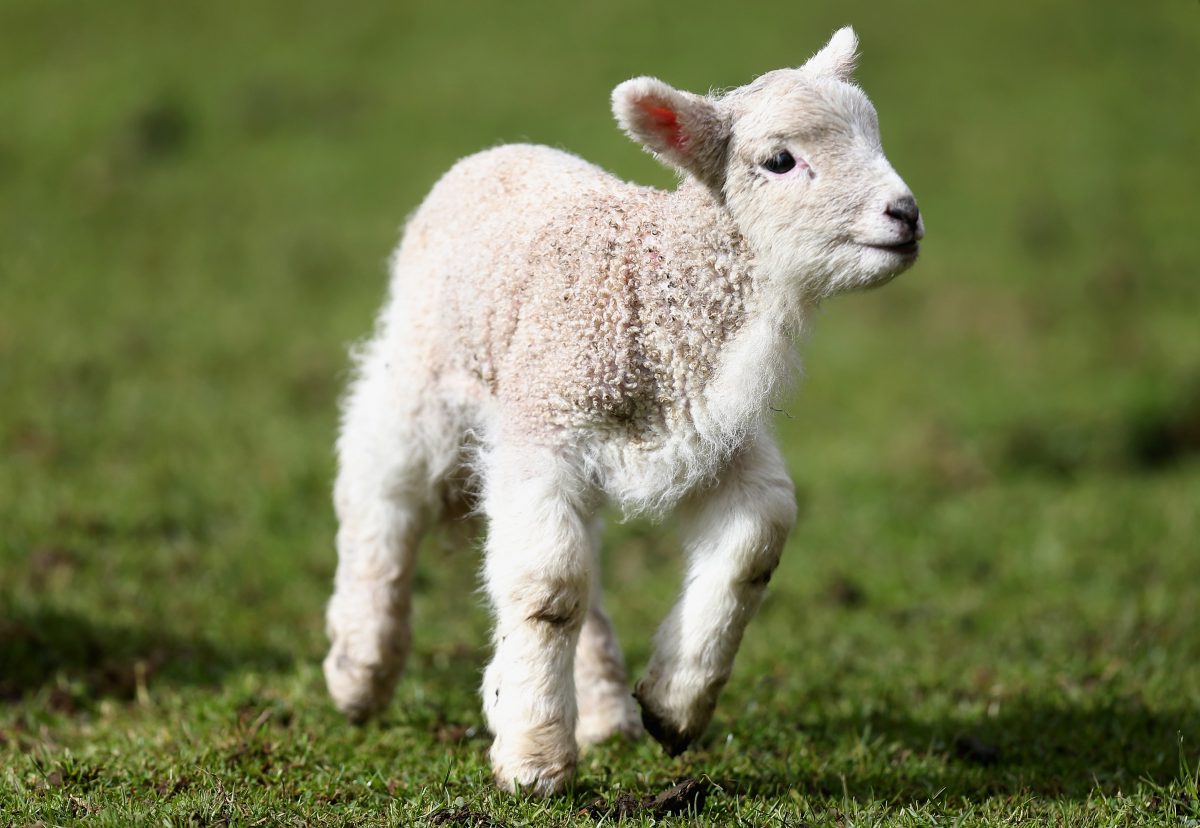
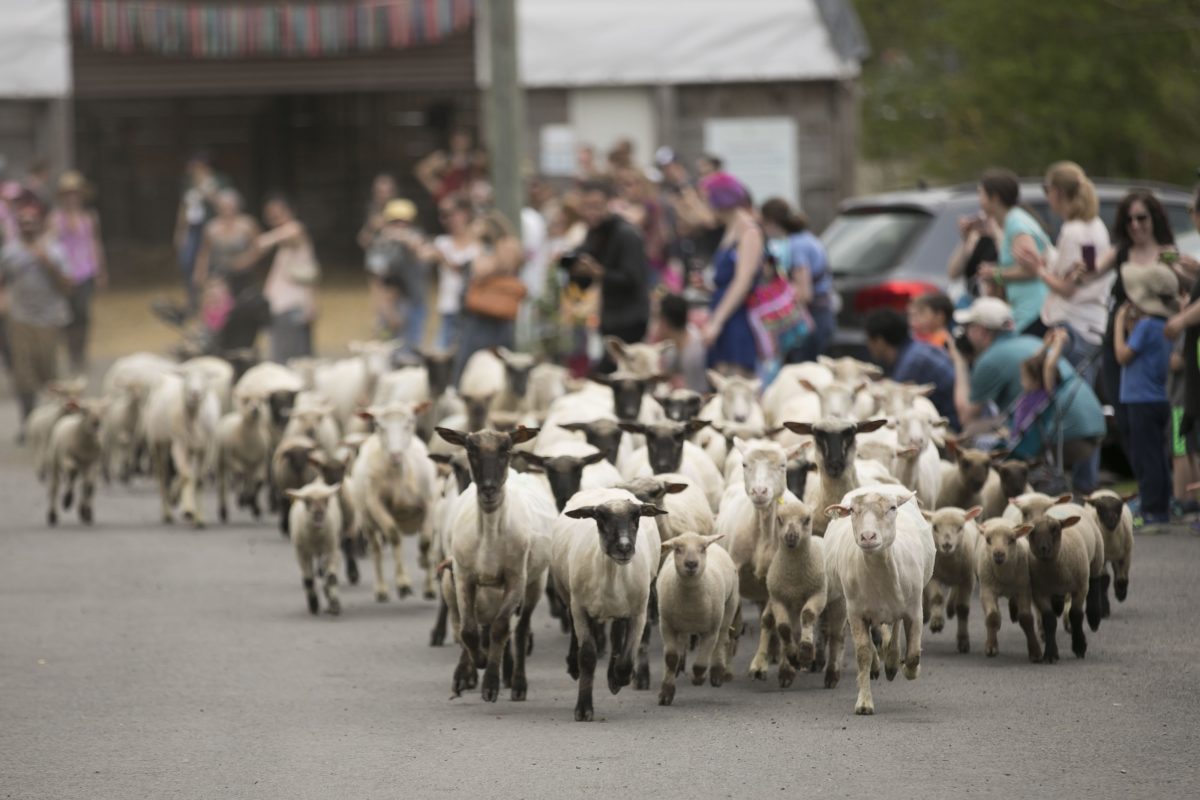
The debates about the sustainability of wool have been going on for ages – is the production of wool nurturing the meat industry and the consumption of lamb, or is it just a byproduct of it? Is it actually cruel to wear wool? There are hundreds of cases documenting how the fashion industry is affecting the wellbeing of sheep.
The first questionable matter is the need of shearing. It is widely known that sheep need to be sheared in order to survive, which is sadly (or not) not true. Wild sheep are doing just fine without humans’ help, however adapting the animals to their needs, people started breeding sheep that would produce more wool. Nothing wrong with that, right? Well, it turns out that domestic sheep are not only unable to survive without human help but are also more affected by diseases and heart strokes.
Leaving this aside, shearers are known to be paid by the amount of wool, not per hour, which encourages them to work fast and accidentally cut off some body parts. If badly timed, shearing could also eventually lead to death from exposure, as sheep end up lacking their wool when they need it. What is more, the painful mulesing (cutting out chunks of lambs’ backsides to prevent flies from laying eggs in the sheep’s skin) used to be performed without anaesthesia, which fuelled even more debates on the sustainability and ethics of using wool.

A frightening research by the animal protection organization PETA reveals that around 3 million sheep are being exported every year from Australia to the Middle East and North Africa to be slaughtered when their production of wool declines. The same organization reports another ecological damage that the wool industry is responsible for – according to the survey 90% of New Zealand’s greenhouse-gas emissions come from enteric fermentation, formed mostly by sheep.
Scary, huh? If you are thinking of giving up wool, it’s probably way easier than smoking. Firstly because less and less garments are currently produced using actual wool yarns, but rather polyester equivalents.
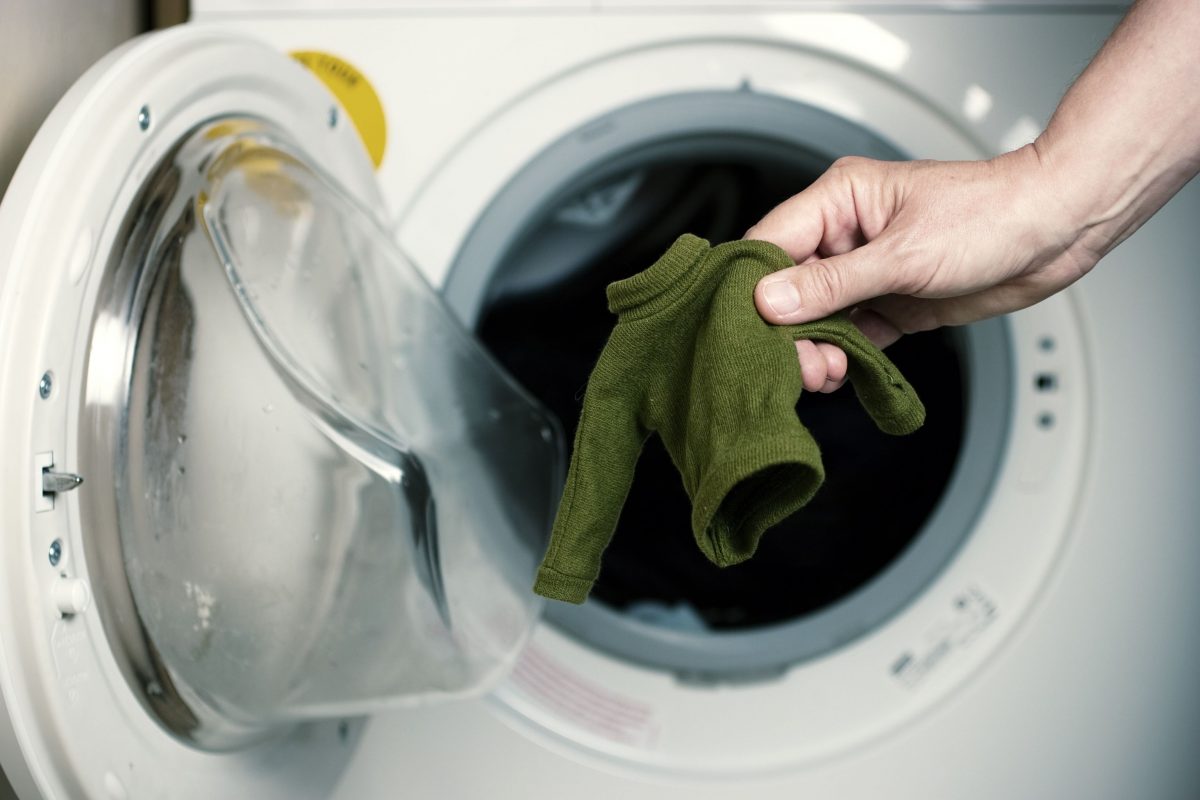
It becomes even easier if you think about how difficult the care for wool is – often affected by moths, scratchy on skin, not to mention that if your sweater accidentally turns out in the washing machine, it ends up with holes and shrinks…
So far it looks that might be the worst choice ever.
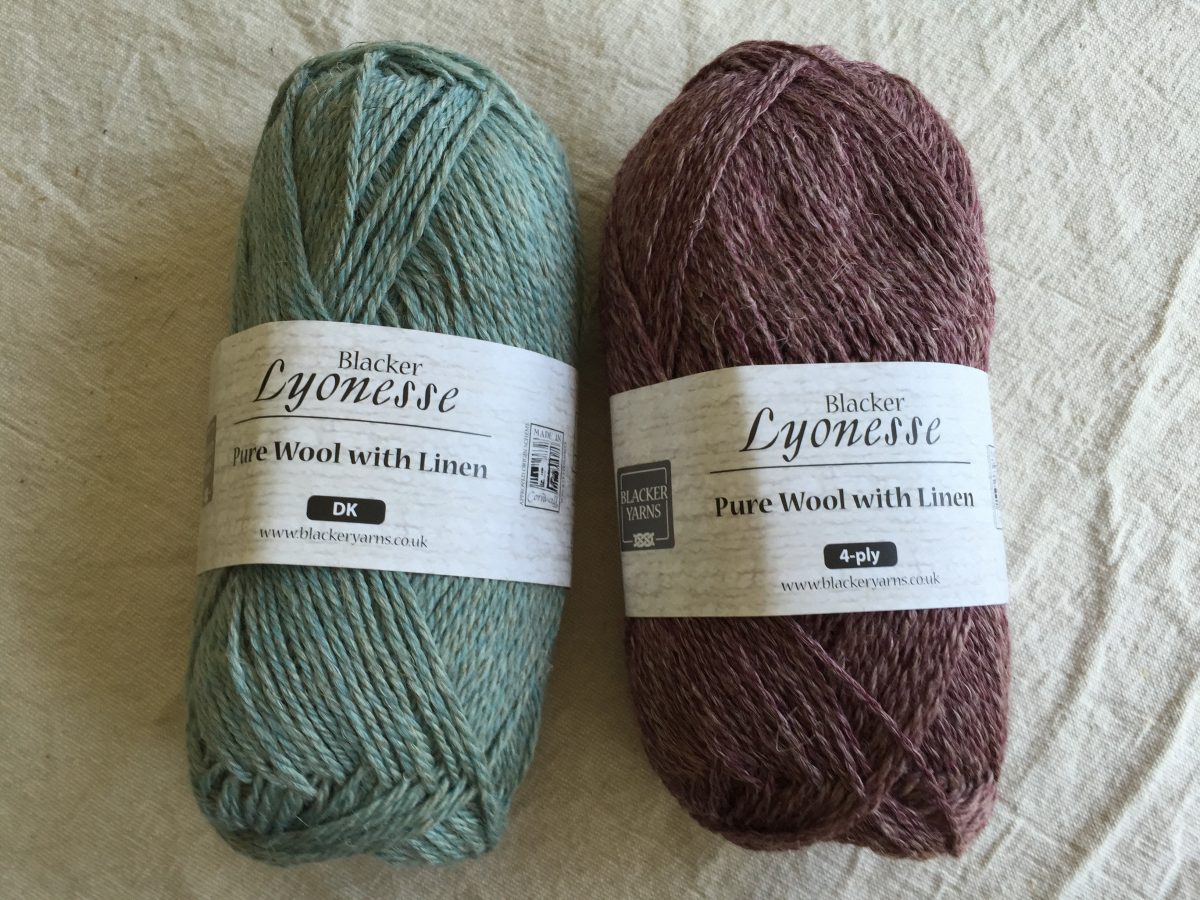
My first interaction with wool (excluding wearing woollen clothes) was earlier this year visiting Sue Blacker’s sheep farm. A fast speaking and fast walking lady, wearing a thick woollen jumper, supplier for many ethical brands, including Stella McCartney.
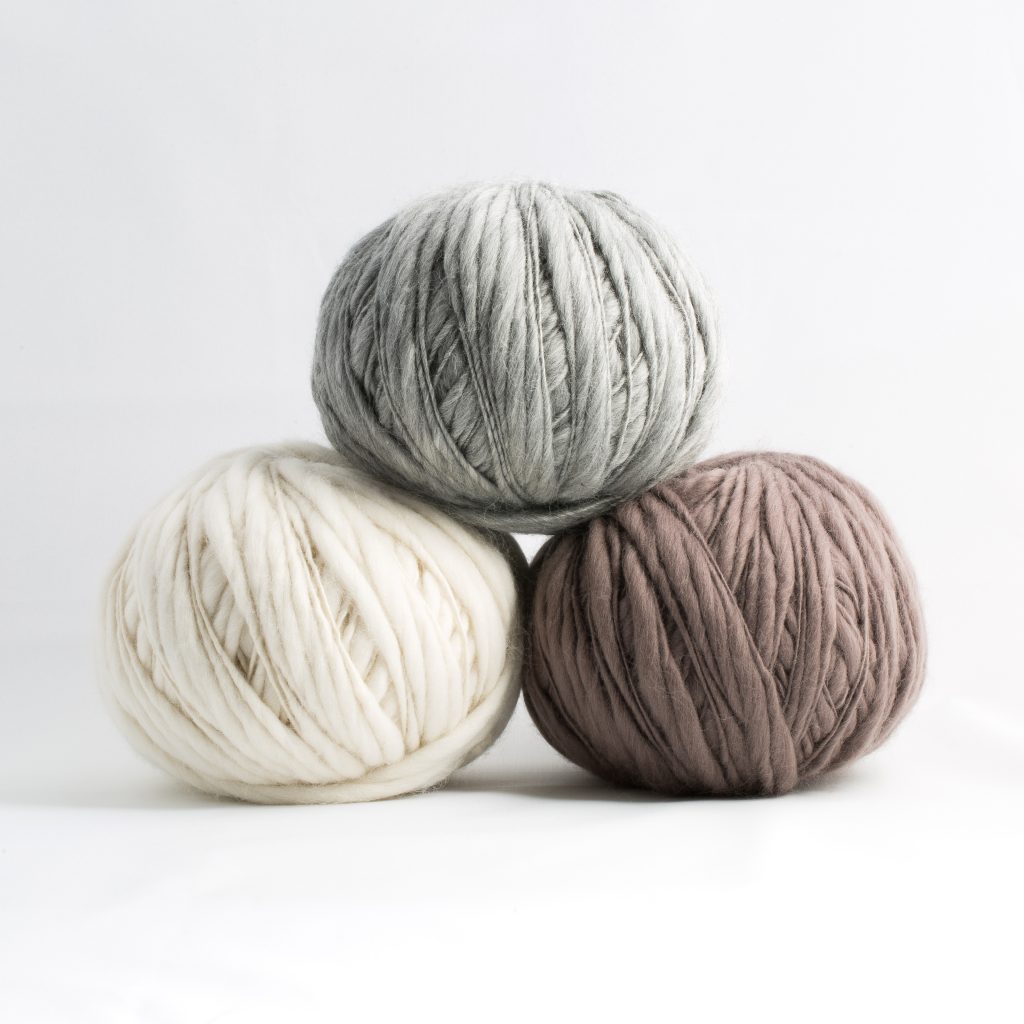
On a cold and wet Cornish day in Leicester, she spent the morning showing me and other people around the farm and the mill. A smell of fluff, combined with grass, dust, rubber boots (Englishmen!)… There was nothing unsustainable in the passion she was talking with of the sheep as of her babies, the way she was explaining how every fibre turns into yarn, the yarn into thread, the thread into her best product. On the contrary – it was charming and comforting.
So, being a real textiles nerd, I decided to find out who was actually wrong – is wool good or bad (is it an enemy of Batman? [referencing Childish Gambino- Freaks and Geeks 1:53, better don’t check this reference]).
Starting from what’s on the surface, available for everyone – the knowledge that wool doesn’t wrinkle and sag, which makes it perfect for travel clothing and lazy people without an ironing board. It is also showerproof and can take 33% of its own weight in water, which makes if feel warm and dry on the skin even if it’s wet on the outside.
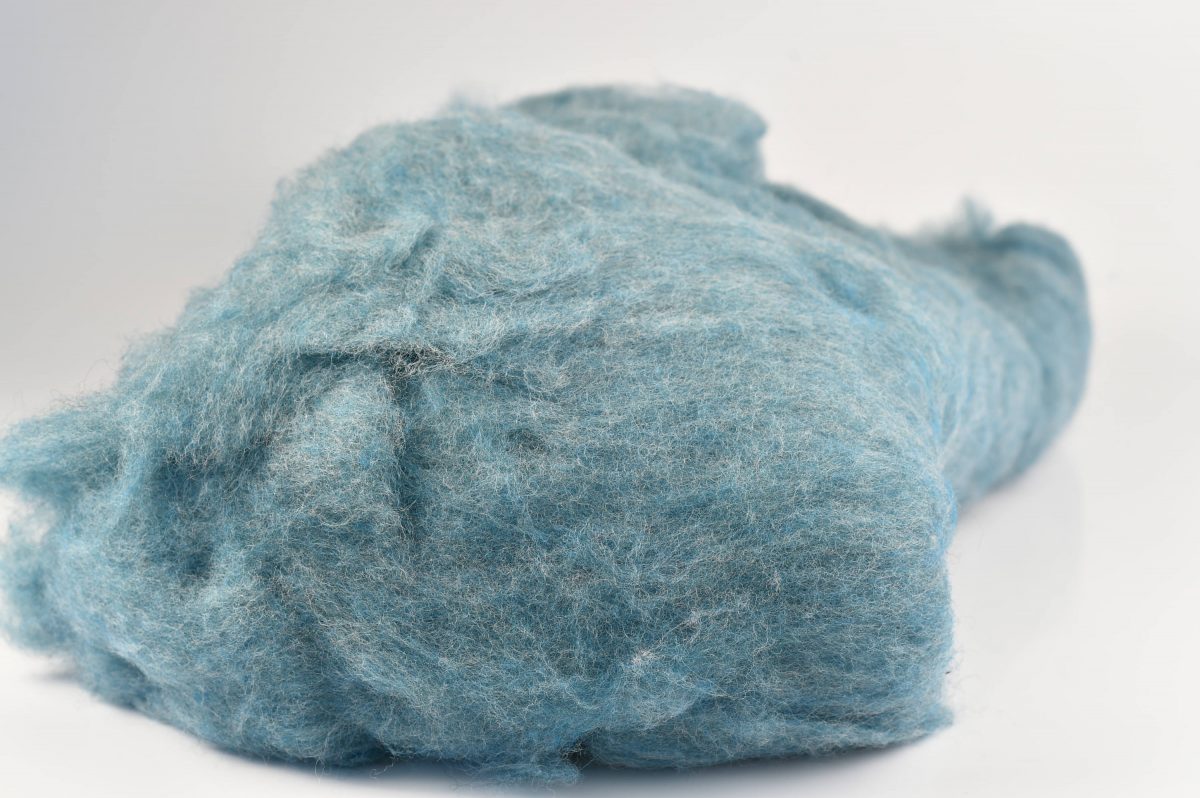
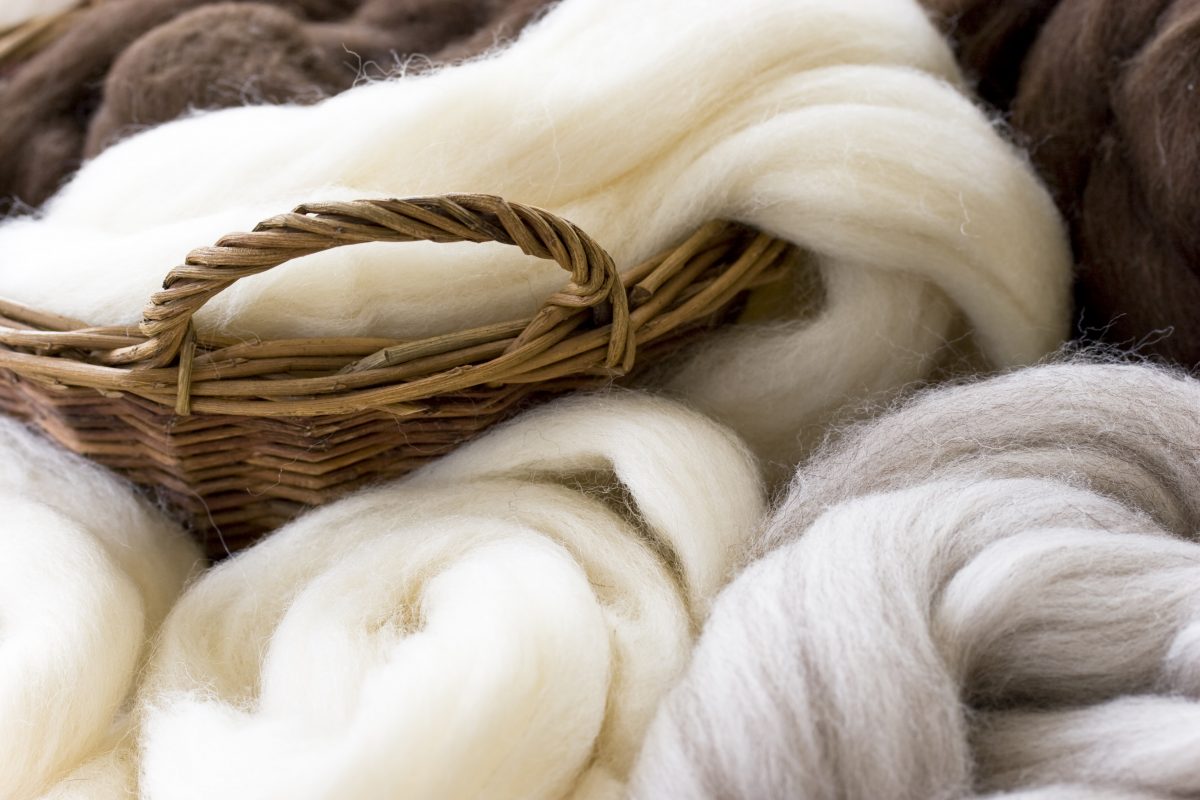
The fluffy fibres are also highly breathable, due to their three layer structure. The first keratin one is moisture-loving so it absorbs the body moisture and drives it away to the second layer, a scaly covering. The overlapping scales rub against each other so that they push off the dirt. The final layer releases the moisture in the atmosphere and is also water repellent. That’s how the body temperature is easily maintained, allowing insulation both in cold and warm environment.
This thermo-regulating qualities of the wool make it perfect for beddings, mattresses, and sleeping apparel, as it is known to improve sleep, whereas its ability to drive moisture away from the body is really beneficial for people suffering from chronic skin conditions such as eczema.
I was once shocked by friend of mine, who constantly trains, claiming that he only washes his woollen running shirt once a week. My apologies for firstly considering you lazy and smelly, but wool actually does not smell. First of all it is antistatic which prevents dust and lint from the air sticking to it. Quite logically it is also resistant to mildew and mold, because it doesn’t keep any moisture – both of these qualities make it perfect for allergy and asthma sufferers.
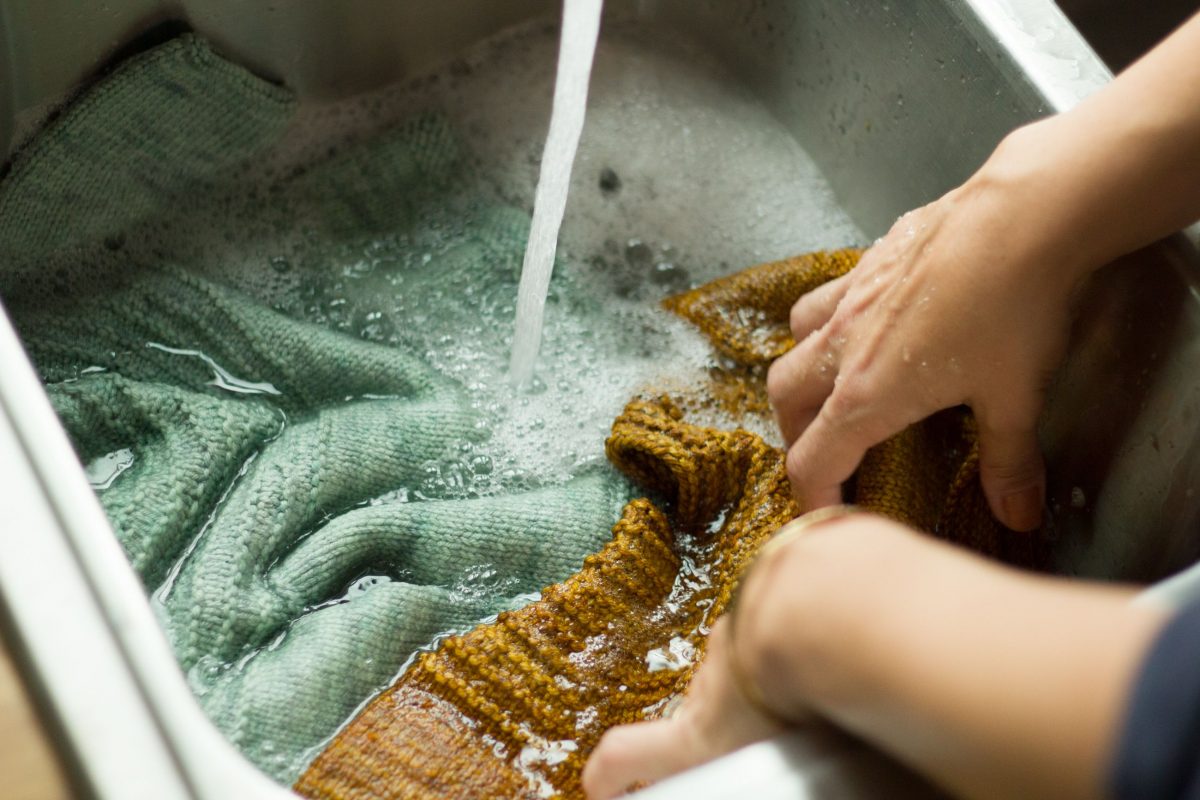
Apart from all that, the woollen fibre prevents stains from absorbing and it doesn’t need to be washed as often because it magically cleans itself! You might expect a complicated explanation but in fact there’s nothing really scientific and geeky about it – each woollen garment that is worn can simply be hung outside in the fresh air and it will be like brand new. This is a great environmental reason to use wool as it saves water, detergent, and energy, and as you know washing also causes pollution (a recent study by Plymouth University shows that each cycle of a washing machine can release more than 700,000 microscopic synthetic fibres, which eventually enter rivers and oceans). If you do need to wash your woollen garment, there’s no need to use detergent all the time, as wool is also antibacterial due to its lanolin (wool fat) content – when wool gets moist, some of the lanolin converts to lanolin-soap, which helps keep the fabric hygienically clean.
Due to its water and nitrogen content, it’s way harder than most fabrics to ignite, because it needs a higher level of oxygen (that is not found in the atmosphere) in order to burn.
Maybe one of the best qualities of wool is that it does not pollute or leave any trace of its existence whatsoever. Because it is made of keratin (just like human hair), it decomposes really quickly when exposed to moisture, like in compost or soil. A study undertaken by New Zealand’s institute AgResearch shows how 10 wool fabrics (knitted and woven) buried in soil lost 95% of their weight on average over 15 weeks. The high content of nitrogen mentioned above also helps wool degrade really quickly and eventually become a slow-release fertilizer.
Despite this, wool is incredibly durable. So if you don’t organize a soil burial of your woollen garment, you can expect it to last two to ten years (on average), compared to cotton or synthetic garments that only last two to three years. This is due to the strong wool fibres that can be twisted over 30,000 times without breaking.
Of course, you should be able to treat your clothes responsibly and make sure that they are clean before you store them (which prevents from moths). Also don’t try to experiment with the beautiful process of felting by washing your jumper in hot water (it doesn’t actually shrink but the tiny fibres stick together and cannot be pulled apart, which results in making the garment smaller anyway).
If you find wool incredibly itchy and irritating, try Merino wool, which is completely soft and superfine (its fibre is 12-13 microns, compared to other wools that could be up to 24 microns).
As for the ethical side of it, Sue Blacker is not the only wool producer who relies on fewer sheep to keep it all sustainable. Brands such as John Sterner and farm-to-closet also take care to make everything with longevity in mind in order to oppose fast fashion. The latter keeps a really small range of garments produced solely by hand or just using minimal machinery. All of their production is supplied by a herd of about 50 sheep, which can be constantly tracked via an app currently being developed – each customer will be able to know when the sheep are sheared, when the wool is dyed and knitted, and will be given the opportunity to track the movement of the herd. This is creating a strong bond between the consumer and the product but it’s also improving the knowledge of how each individual garment is made and on what cost. This is one of the first steps to complete transparency when it comes to production, so that the customer can be assured that all the products they use are ethical and environmentally friendly.
Another brand that encourages longevity, and therefore sustainability of products, is luxury blanket maker Faribault Woolen Mill. Along with their woollen blankets, they are creating the so called ‘Memory Mill’. It is accessed by a card with a unique number given with every product so each individual consumer can decide what happens to their blankets after they finish using them. Every customer enters the name of the person they want to leave the blanket to, along with a message and the time when that will happen. This online memory mill encourages the idea of passing your belonging to somebody else, along with the memories, connected to it, moreover, it assures the best possible quality of the product within the next 150 years.
It turns out that the key to oppose fast fashion is not to stop consuming whatsoever – the key is to invest in quality and, most of all, memories. Just like my father did almost 40 years ago with his…err…my jumper.
Sources: www.betterfelt.com, www.cambridgebaby.co.uk, www.care2.com, www.iwto.org, www.johnsterner.com, www.knowledgetextile.wordpress.com, www.lifehacker.com, www.onegreenplanet.org, www.oureverydaylife.com, www.peta.org, www-lsnglobal-com
Image Sources: www.1.bp.blogspot.com, www.hips.hearstapps.com, www.i.etsystatic.com, www.kirstenrickert.com, www.lovelace-media.imgix.net, www.nearlythere.files.wordpress.com, www.schutebell.com.au, www.stonebarnscenter.org, www.woolcouturecompany.com